

Is Discreet Shipping Actually Private? What Buyers Should Know
Table of Contents
- What Discreet Shipping Really Hides (And What It Does Not)
- What Appears on Credit Card Statements When You Shop Online
- Who Can See Your Shipping Information at Each Stage
- How to Ensure Discreet Delivery for Your Orders
- Pros and Cons of Discreet Shipping
- How to Verify a Retailer's Discreet Shipping Claims
- Conclusion: Balancing Privacy, Practicality, and Peace of Mind
- Frequently Asked Questions
Last Updated: October 9, 2026
What Discreet Shipping Really Hides (And What It Does Not)
Discreet shipping is the practice of sending an order in plain, unbranded packaging with no visible indication of the product inside. It protects the contents from anyone who handles the parcel, from the courier to a flatmate.
At Ultimate Satisfaction, we ship every order in unbranded packaging because privacy matters to our customers. But we also think you deserve the full picture, not just the marketing line.
The Limits of Plain Packaging
Plain packaging hides the product. That's it.
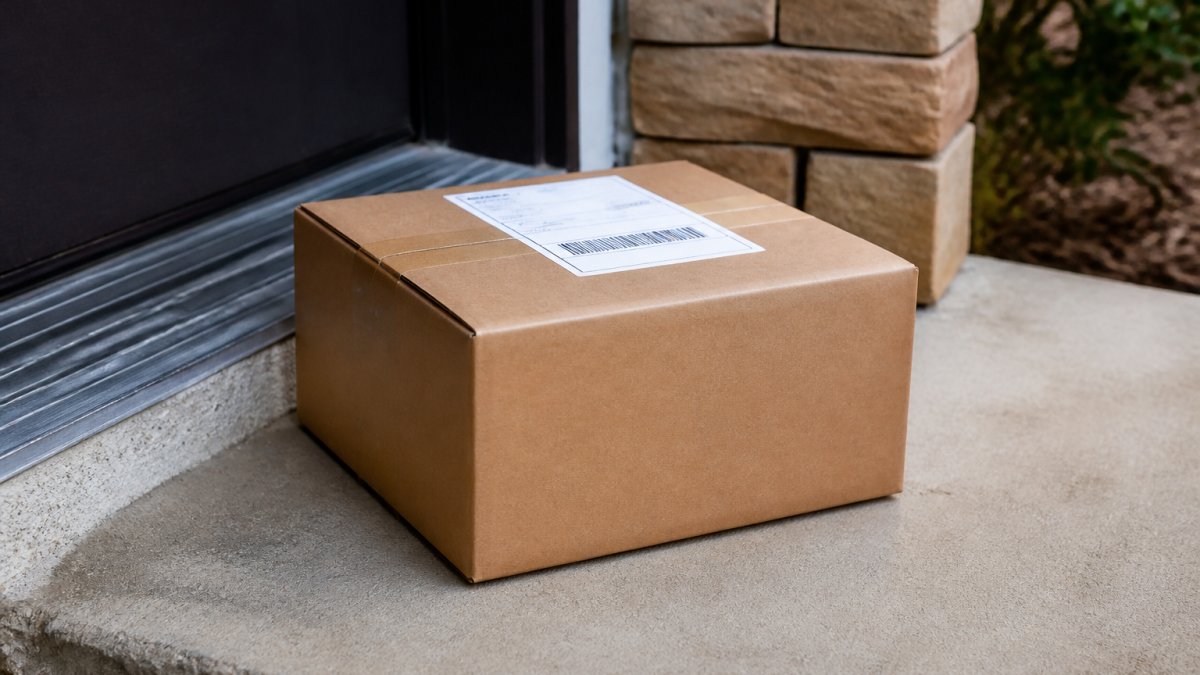
The outer box or satchel is deliberately neutral: no logos, no product names, no suggestive imagery. Anyone who sees the parcel on your doorstep learns nothing about what's inside. That's the core promise, and it's a genuine one.
What plain packaging does not do is erase the transaction. A shipping label still carries a sender name and address. Your bank statement still records a payment. A tracking number still exists.
That gap between "the box looks anonymous" and "the whole purchase is invisible" is where most confusion lives.
What Appears on Credit Card Statements When You Shop Online
What appears on credit card statements depends entirely on how the retailer is registered, not on how the parcel is packaged. Many adult retailers bill under a neutral trading name so the statement line reads as something unremarkable.
Here's what to look at:
- The billing descriptor. This is the merchant name that shows on your statement. Ask the retailer what it appears as before ordering.
- The amount. A charge that doesn't match anything you remember buying invites questions.
- The date. Statement entries post on the transaction date, not the delivery date.
If you share a card or a bank account, the statement is usually a bigger privacy risk than the parcel ever was. ASIC's Moneysmart guidance on managing accounts explains how transaction records work and who can access them.
Who Can See Your Shipping Information at Each Stage
Your shipping information is visible to more parties than most buyers realise, and the visibility changes at every stage of the journey. Understanding the chain helps you judge where the real risks sit, and which ones a plain box can never close.
| Stage | Who sees what | Hidden by discreet packaging? |
|---|---|---|
| Checkout | Retailer, payment processor, fraud-screening tools | No |
| Fulfilment | Warehouse staff, packer, picking system | No |
| Label creation | Carrier's booking system, retailer's dispatch team | No |
| Handover | Courier, sorting facility, depot staff | Partly, contents only |
| In transit | Carrier tracking portal, anyone with the tracking number | No |
| Delivery | Anyone at the address, neighbours, building staff, doorbell cameras | Yes, contents only |
| After delivery | Bank, email inbox, loyalty account, delivery photo archive | No |
What each party actually sees
The retailer and its payment processor. Your full order, product names, quantities, delivery address, and the card or account used, sits in the retailer's order management system.
People at the delivery address. A flatmate, partner, parent, or landlord who takes the parcel in sees the outer packaging and the label.
Customs and border officials. For any parcel crossing an international border, a customs declaration is legally required.
Your own household, after the fact. Order confirmation emails, dispatch notifications, delivery SMS messages, and bank or card statements all carry traces of the purchase.
Why this matters for the query
The question "is discreet shipping actually private?" has a precise answer: it is private in one dimension, casual visual inspection of the parcel, and largely transparent in every other. Mapping the stages makes that concrete. If your concern is a flatmate glancing at a box on the doorstep, discreet shipping solves it.
The practical takeaway is to identify which stage actually threatens your privacy, then address that stage directly rather than relying on the packaging to cover all of them.
How to Ensure Discreet Delivery for Your Orders
Ensuring discreet delivery comes down to controlling the details around the parcel, not just the parcel itself. A few practical steps close most of the gaps.
Adam & Eve Eves Plush Storage Bag Private Storage Bag →
- Check the billing descriptor before you order. Ask the retailer what name appears on your statement.
- Use a delivery address you control. A parcel locker or your own address beats a shared household where someone might open your mail.
- Watch the tracking. If you can, redirect or collect rather than leaving the parcel on a doorstep.
- Store your items privately after delivery. A neutral storage bag keeps things out of sight at home, too. Our Adam & Eve plush storage bag has a satin-lined interior and a secure zip, and it looks like any other small bag.
That last point matters more than people think. Discreet shipping protects the journey; discreet storage protects everything after it.

Pros and Cons of Discreet Shipping
Discreet shipping solves a real problem, but it isn't a complete privacy solution. Weighing both sides honestly is the only way to set your expectations correctly.
Pros:
- Conceals the product from couriers, neighbours, and anyone at the address
- Reduces the risk of package theft, since a plain box attracts less attention
- Protects your privacy during the delivery itself
- Lowers the awkwardness of receiving a sensitive order
Cons:
- Does not hide the sender, payment, or tracking information
- Can make returns harder to explain if the packaging gives no clue
- Offers no protection if someone has access to your email or bank account
- Gives a false sense of total anonymity if you don't check the details
The honest version is this: discreet shipping is excellent at what it does and silent on everything else. Treat it as one layer, not the whole shield.
How to Verify a Retailer's Discreet Shipping Claims
Verifying a retailer's claims takes a few minutes and saves a lot of regret. Any retailer can print "discreet packaging" on a product page. Fewer can answer specific questions about how it actually works, and fewer still will put the answers in writing before you pay.
The pre-purchase checklist
Work through these before you commit. The order matters, start with the questions that are hardest to walk back after payment.
- What name appears on my bank or card statement? Ask for the exact billing descriptor, not a description of it. "A neutral name" is not an answer; "the trading name appears as [X]" is.
- What sender name and return address appear on the shipping label? The return address is often the retailer's warehouse or a fulfilment partner, and it may not match the store name you bought from.
- Is the outer packaging completely unbranded, including the satchel or box tape? Some retailers use plain boxes but branded tape, which defeats the purpose.
- How is the item described on any courier or customs documentation? For domestic parcels this is usually a generic goods description. For international parcels, a customs declaration is legally required and will describe the goods in enough detail for classification.
- What does the tracking notification say? Ask whether the carrier's tracking portal displays the store's trading name, the legal entity name, or a neutral sender.
- What does the return process look like, and will I have to explain the contents? A returns label that names the product category can undo the privacy of the original shipment.
- What is the support policy if the packaging arrives branded or the statement descriptor differs from what was promised? A retailer confident in its process will state this.
How to check the answers
You do not have to take the retailer's word for all of it. A few checks are available before or immediately after ordering:
- Search the store name plus "statement descriptor" or "billing name" in reviews and forums. Buyers frequently report what appeared on their statement.
- Look at the retailer's shipping and returns pages for a named sender, a returns address, or a carrier partner. Vague language ("discreet packaging") without specifics is a signal.
- Check the carrier's tracking page as soon as a tracking number is issued. The sender name shown there is the one your household or building staff will see.
- Review your own order confirmation email for the sender name and any product descriptions that would be visible if someone else opened it.
What the law requires, and what it does not
Discreet packaging does not override legal and carrier requirements. Under Australian Consumer Law, a retailer must identify itself in its dealings with you, and carriers require a sender name and return address on most domestic parcels. International shipments require a customs declaration describing the goods.
That means "discreet" and "anonymous" are not the same thing. A retailer can legitimately offer discreet packaging, unbranded outer, neutral sender name where carrier rules allow, while still leaving a transaction record, a tracking trail, and a legally required label.
If the retailer dodges
A retailer that answers all seven checklist items clearly is one you can trust. One that dodges the statement question, refuses to name the sender on the label, or cannot describe its returns process is telling you something. In that case, the practical options are to use a delivery address and payment method whose records you control, or to buy from a retailer that will put its answers in writing. The packaging is the easy part; the surrounding trail is where privacy is actually won or lost.
Conclusion: Balancing Privacy, Practicality, and Peace of Mind
The real challenge with discreet shipping isn't the packaging, it's managing the trail that surrounds it. Plain boxes work, but they only cover one part of a purchase that touches your bank, your inbox, and your doorstep.
At Ultimate Satisfaction, every order ships in unbranded packaging, checkout is secure with multiple payment options, and our curated range of body-friendly products is chosen so you can shop with confidence. If you want privacy that holds up from checkout to cupboard, shop all and see the difference a privacy-first retailer makes.
Frequently Asked Questions
Does discreet shipping hide the contents from the courier?
No. Couriers see the same external packaging you do, but they do not open parcels. They handle thousands of packages daily and have no reason to inspect contents. What they can see is the shipping label, which includes sender information and your address. If a package is damaged in transit, a courier may need to inspect it, but this is rare. Discreet shipping means the outer packaging does not reveal what is inside, not that the courier is blind to the shipment.
Is discreet shipping legal in Australia?
Yes, discreet shipping is legal. Australian Consumer Law does not require retailers to display product details on the outside of a package. However, certain goods like dangerous substances or restricted items must be labelled according to state and territory regulations. For adult products, there is no legal requirement to identify the contents on the outer packaging. Retailers must still include a return address and comply with carrier rules, but they can use neutral sender names.
What should I look for in a retailer's privacy policy regarding shipping?
Check whether the policy specifies unbranded packaging, neutral sender names, and what appears on credit card statements. A good policy will state that the shipping label uses a generic business name, not the store's trading name. Look for details on how they handle returns and whether return labels reveal the product type. If the policy is vague, contact customer service and ask directly. A retailer that values privacy will have clear answers.
How can I ensure my delivery is truly discreet?
Choose a retailer that confirms unbranded packaging and a neutral sender name. Use a payment method that does not show the store's name on your statement, such as a prepaid card or a payment service with a generic descriptor. Consider a parcel locker or click-and-collect point if you want to avoid delivery to your home. Finally, ask the retailer about their returns process and whether return labels disclose product details. Taking these steps gives you more control over your privacy.